
Press
Everything for your coverage
Descriptions to copy, logos, photos and material to download – and who to contact with questions.
This is Luma Life
Texts in three lengths to copy.
In one sentence
Luma is a voice-based AI companion for people living with dementia and their family members.
Short
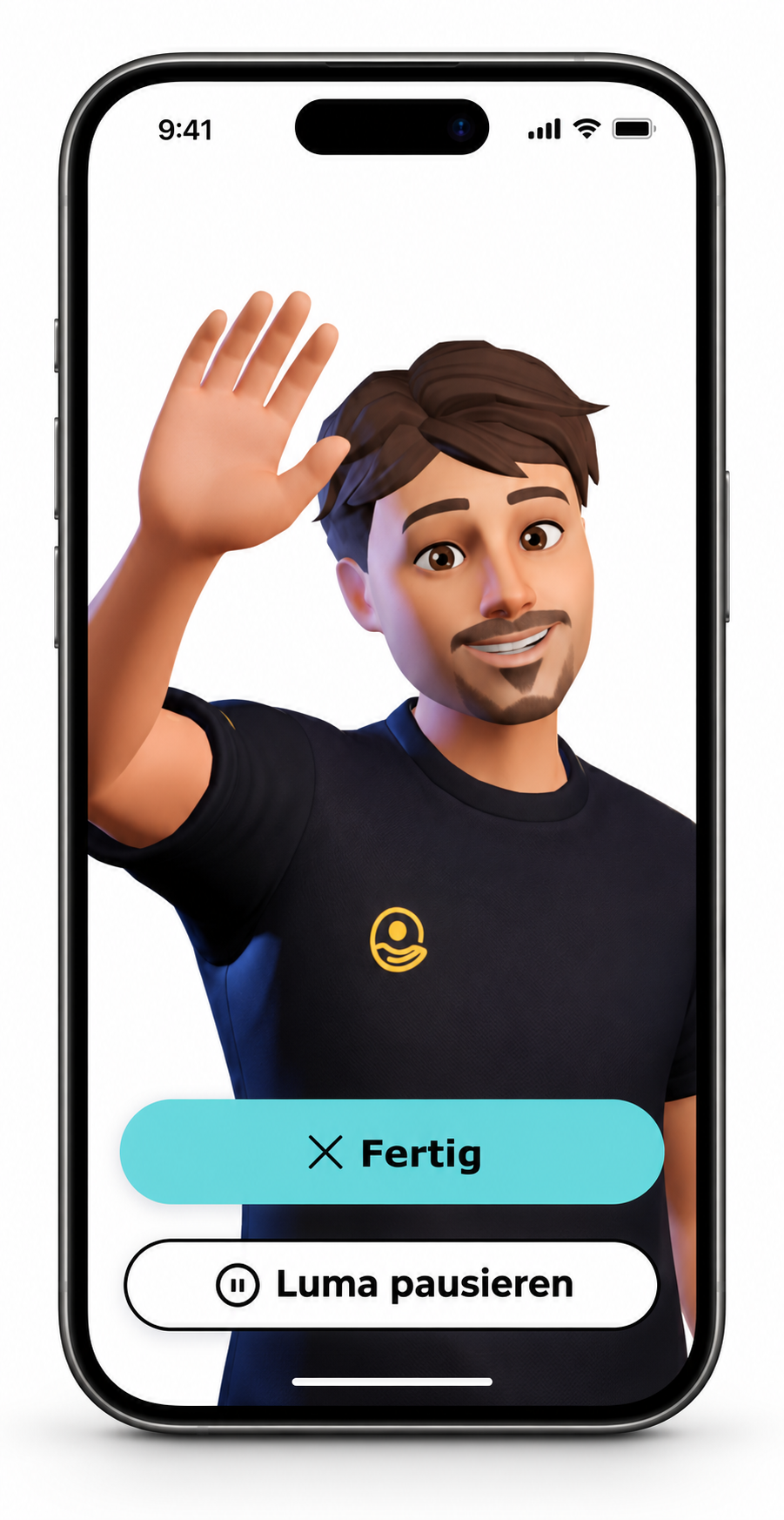
Luma is an AI-based voice companion for people living with dementia. As an avatar on mobile devices, Luma supports everyday life with reminders, conversations and cognitive activation. The system is based on findings from dementia care science and helps people stay independent at home for longer – while family members stay involved through their own access and are relieved.
Detailed
Luma Life is a voice-based AI companion for people living with dementia in their home environment. As an avatar on mobile devices, Luma supports people in everyday life – for example with reminders for appointments, meals and medication, and with structuring the day. Luma also holds personalized conversations and offers cognitive games to stay mentally active and to preserve independence for as long as possible.
A central element is a biography-based memory: Luma can take personal habits, interests and important life events into account and pick them up in conversations. The interaction is based on scientific findings from dementia care and is designed specifically for the needs of people living with dementia.
Family carers are involved as well: through their own access they can add information, gain insights into everyday life and are notified of important changes. In this way, Luma Life helps people living with dementia stay independent at home for longer – and relieves their family carers at the same time.
How a personal experience became Luma Life
The founding story – to read and copy.
The story of Luma Life
Read the whole story
Marvin’s grandmother was a proud, independent woman. She had worked well beyond retirement age and always lived her life on her own terms. Then she developed dementia. At first she forgot the wedding of Marvin’s sister, later also his sisters’ names. Little by little, her everyday life changed. Medication had to be taken regularly and correctly, meals and enough fluids were forgotten. On top of that came the oppressive feeling of loneliness and the growing difficulty of managing everyday situations alone.
One situation stayed with Marvin in particular: again and again, his grandmother called his mother at work during the day because the TV was no longer working. The evening before, just before going to bed, she had pulled the plug. The next day she remembered nothing about it. What may seem trivial from the outside became a recurring burden for the family. Marvin experienced first-hand how much the situation demanded of his mother and how hard it was for his grandmother to lose her independence bit by bit. Sometimes she also reacted with anger out of frustration and being overwhelmed.
It was not only the major turning points but above all the many small everyday challenges that wore on everyone involved. And Marvin realized: people with dementia want to keep living independently and shape their daily lives as autonomously as possible. At the same time they increasingly need support that family members, alongside work, family and their own obligations, can often hardly provide. Marcel also knew comparable situations from his personal circle.
Two founders, one shared passion for technology
Marvin and Marcel have known each other since their dual degree in industrial engineering and management at Nordakademie. Even then they were connected not only by a close friendship but also by a strong entrepreneurial drive.
Marvin founded his first company at 19. During his studies, which were sponsored by BP, he built four companies in total. He developed two of them successfully: an e-commerce business, which he later sold, and then an online marketing agency with numerous employees.
Marcel was sponsored by Johnson & Johnson during his studies and then started his career in the international pharmaceutical industry. There he completed a leadership programme and gained more than six years of professional experience. He then founded a big data agency and worked early on with machine learning, one of the technological foundations of today’s AI.
As artificial intelligence gained importance, both were fascinated by the possibilities. They felt that, for the first time in their careers, they could directly take part in a technological revolution. They had experienced developments like the internet, cloud computing and smartphones as observers who were too young or too inexperienced. Now they wanted to shape things themselves.
At first with no concrete plans to found anything, they began meeting once a week to talk about new developments in AI. These conversations eventually led to a first joint project: a platform for AI agents for one of Marcel’s clients. Both quickly noticed how much they enjoyed working together on these new technologies.
The idea behind Luma Life
In their conversations, Marvin also talked about his experience with his grandmother and the challenges dementia brought for his family. A shared thought emerged: if AI agents can retain information, hold conversations and support people proactively, why not use these possibilities to make everyday life easier for people with dementia?
Many challenges repeat every day: the same questions, the same uncertainties, the same memories and worries. A voice-based AI could offer reliable support here, without those affected having to operate complicated apps or constantly depend on others. It could relieve family carers and give people with dementia a bit of independence back.
From this thought came the idea for Luma Life.
Before turning it into a company, Marvin and Marcel wanted to understand whether their idea could really make a difference. They held numerous conversations with caregivers, Alzheimer organizations, people living with dementia and family carers. Again and again they heard how heavy the burden is in everyday life, how often suitable support is missing, and how much the situation is likely to worsen with the growing shortage of caregivers.
The feedback encouraged them to pursue the topic. They developed a first prototype and presented it in workshops together with Alzheimer organizations. The response there was very positive as well. A personal idea increasingly became a concrete product with a clear need.
A decision made with full conviction
For Marvin and Marcel it was finally clear that they wanted to pursue this opportunity wholeheartedly. Both gave up their previous companies and have since focused entirely on Luma Life. From the start they largely financed the development from their own funds and chose not to pay themselves a salary.
Today, Luma Life already supports more than 500 families in everyday life with dementia. What began with the experience of one family has become a shared mission: helping people with dementia live self-determined lives for as long as possible, while giving their family carers more relief and security in everyday life.
Quotes
Quotes free to use in coverage. Translated from German.
Thomas BallastDeputy Chairman of the Board of Techniker Krankenkasse and chair of the jury of the Health Innovation Award 2026
„Luma Life addresses a currently serious care problem: supporting people in early stages of dementia who still have sufficient independence. These patients in particular, as well as their family carers, can benefit especially from everyday support. With the “companion approach”, the start-up also takes up a technology that offers great potential for the care of the future beyond the specific use case. We look forward to accompanying and supporting the further development together with Luma Life.“
Marvin BertholdCo-Founder & CRO, Luma Life
„I know what dementia can do to a family. That is why I want to use all my entrepreneurial experience to create the solution we would have wished for. For Luma Life, I hope for a future in which we enable millions of people affected to live longer in independence and noticeably relieve their family carers.“
Marcel KintscherCo-Founder & CTO, Luma Life
„The possibility of using artificial intelligence to help millions of people with neurodegenerative diseases and to relieve households drives me and is my personal reason to give 120% for Luma Life. I hope that Luma Life will not simply be another tool in dementia care, but a solution that completely rethinks dementia care.“
Facts at a glance
- Product
- Luma Life – voice-based AI companion (app for iPhone and Android, also on tablets and smartwatches; calls to ordinary phones coming soon)
- Audiences
- People living with dementia, families, caregivers
- Company
- Luma Life GmbH, Hamburg · location Zug (Switzerland)
- Founders
- Marvin Berthold (CRO), Marcel Kintscher (CTO)
- Award
- Health Innovation Award 2026 by Techniker Krankenkasse
- Usage
- More than 500 families use Luma Life, and new ones join every day. Pilot projects are running in residential care facilities, and several more with outpatient care services are being planned.
- Recommendations
- Neurologists, occupational therapists and Alzheimer organizations already actively recommend Luma Life.
- Research
- Pilot study with the Institute for Ageing Research (IAF) at OST – Eastern Switzerland University of Applied Sciences
- Goal
- Approval as the first digital care application (DiPA) in care
Interview ideas
Topics we are happy to talk about. We can put you in touch with people living with dementia and family carers in Germany and Switzerland on request.
Everyday life with dementia
How Luma accompanies people with dementia at home, for example with medication – and what it means for family carers.
Our story
Why we founded Luma Life and why we believe AI can support care.
The care crisis
What digital companions can contribute to relieving caregivers and families – and what they cannot.
Between people and technology
Does AI replace human closeness? Where are the limits, and how do we deal with them?
Science and evidence
The pilot study with OST: what we know and what we are still investigating.
Digital care application
The path to the first DiPA: requirements, experience, timeline.
Pilot projects in care
First experience from residential facilities; several pilot projects with outpatient care services are being planned.
Data protection
What happens to the data of people with dementia and how we protect it.
Germany and Switzerland
Two care systems, the same challenge.
More voices: several users are happy to talk about their experience with Luma, for TV, print and online.
Downloads
Logos
As SVG (lossless) and PNG with a transparent background. Please do not distort or recolor.



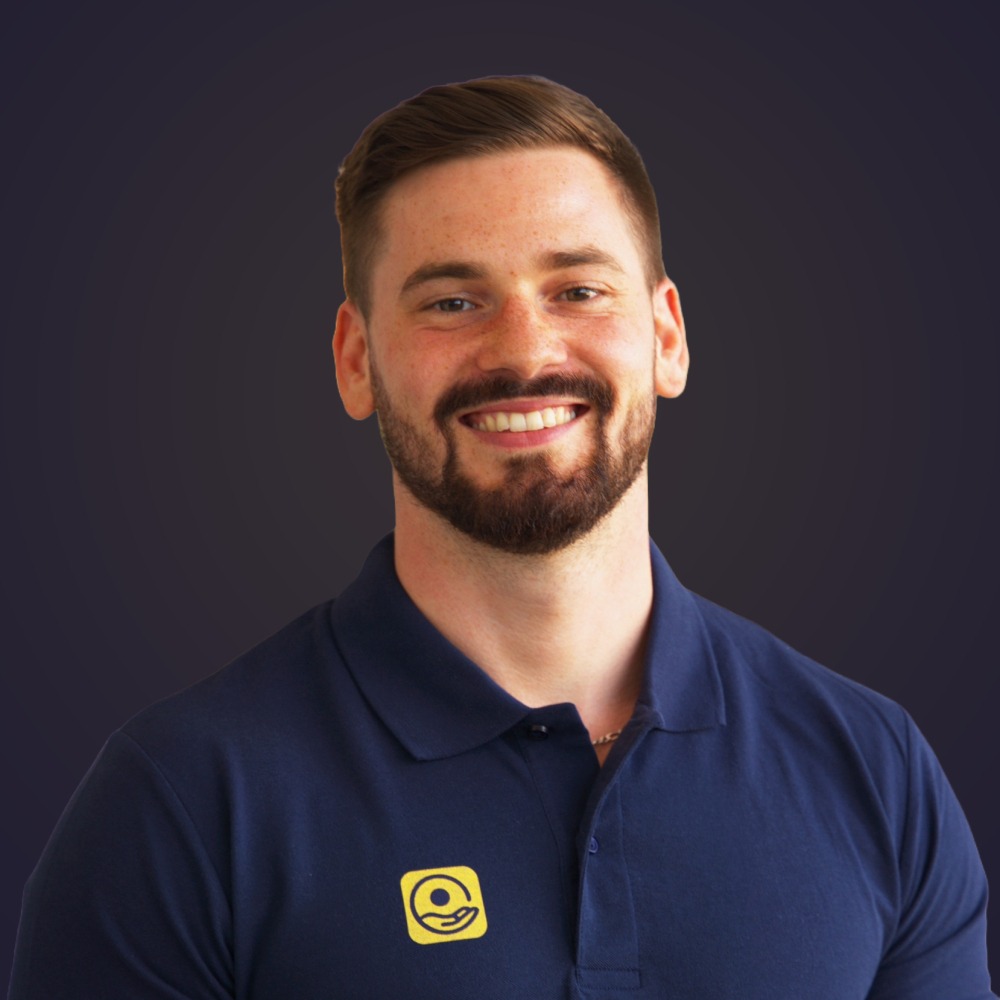
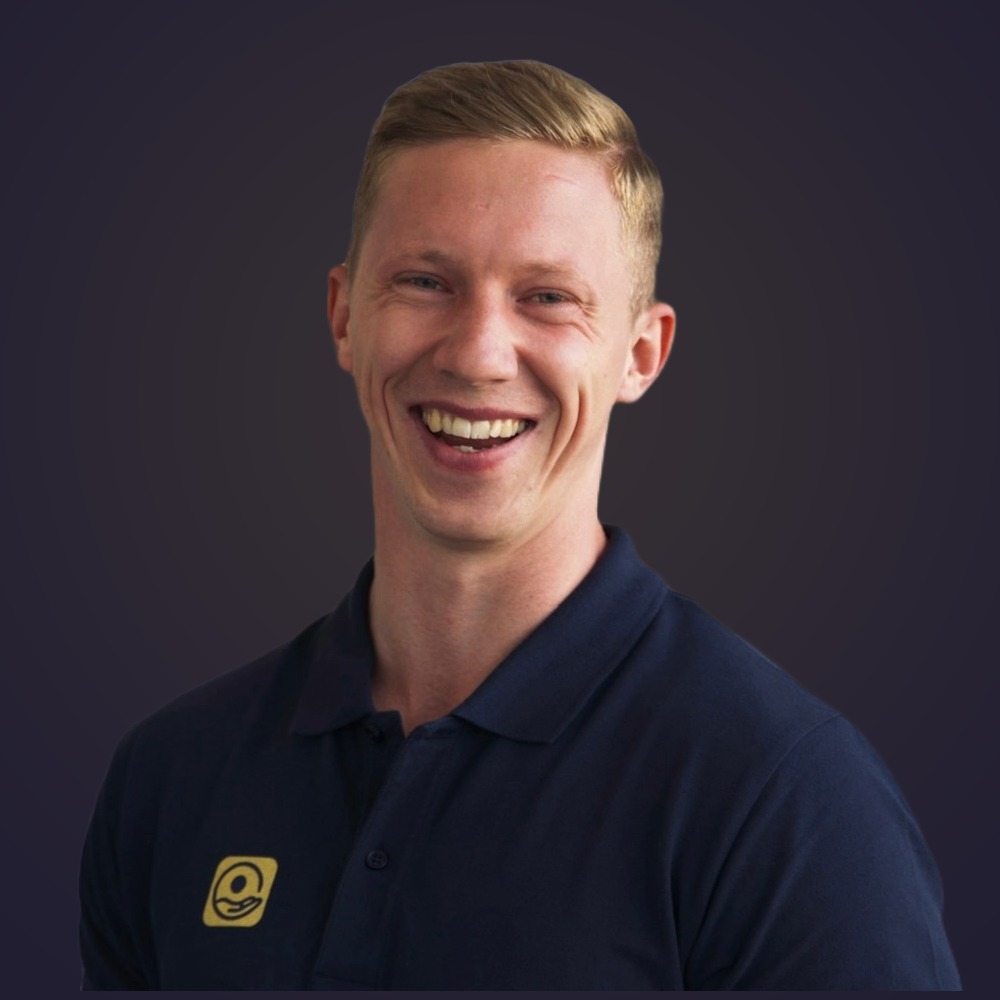
Founder photos
Free to use for coverage of Luma Life. Please credit “Luma Life”.
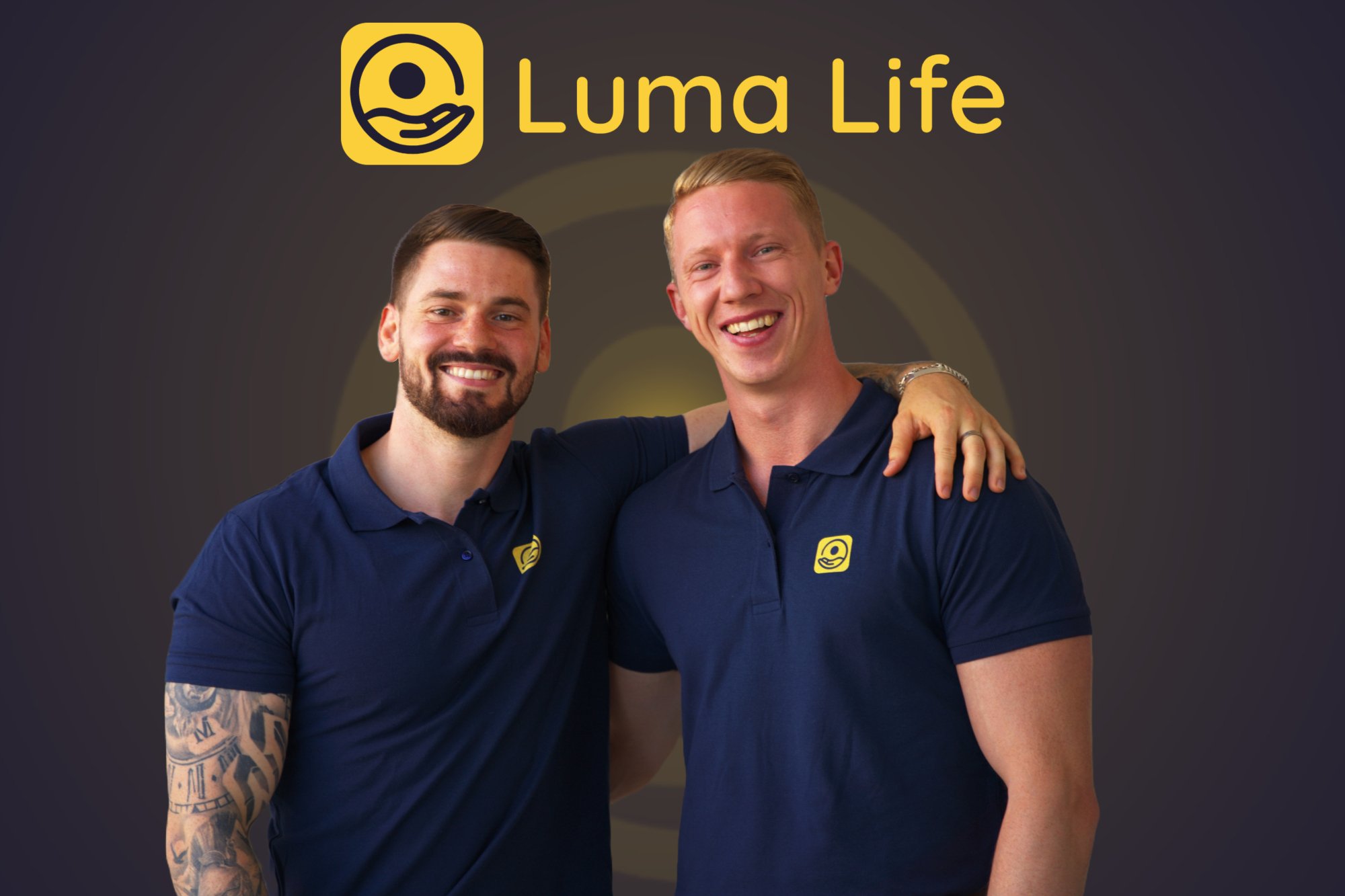
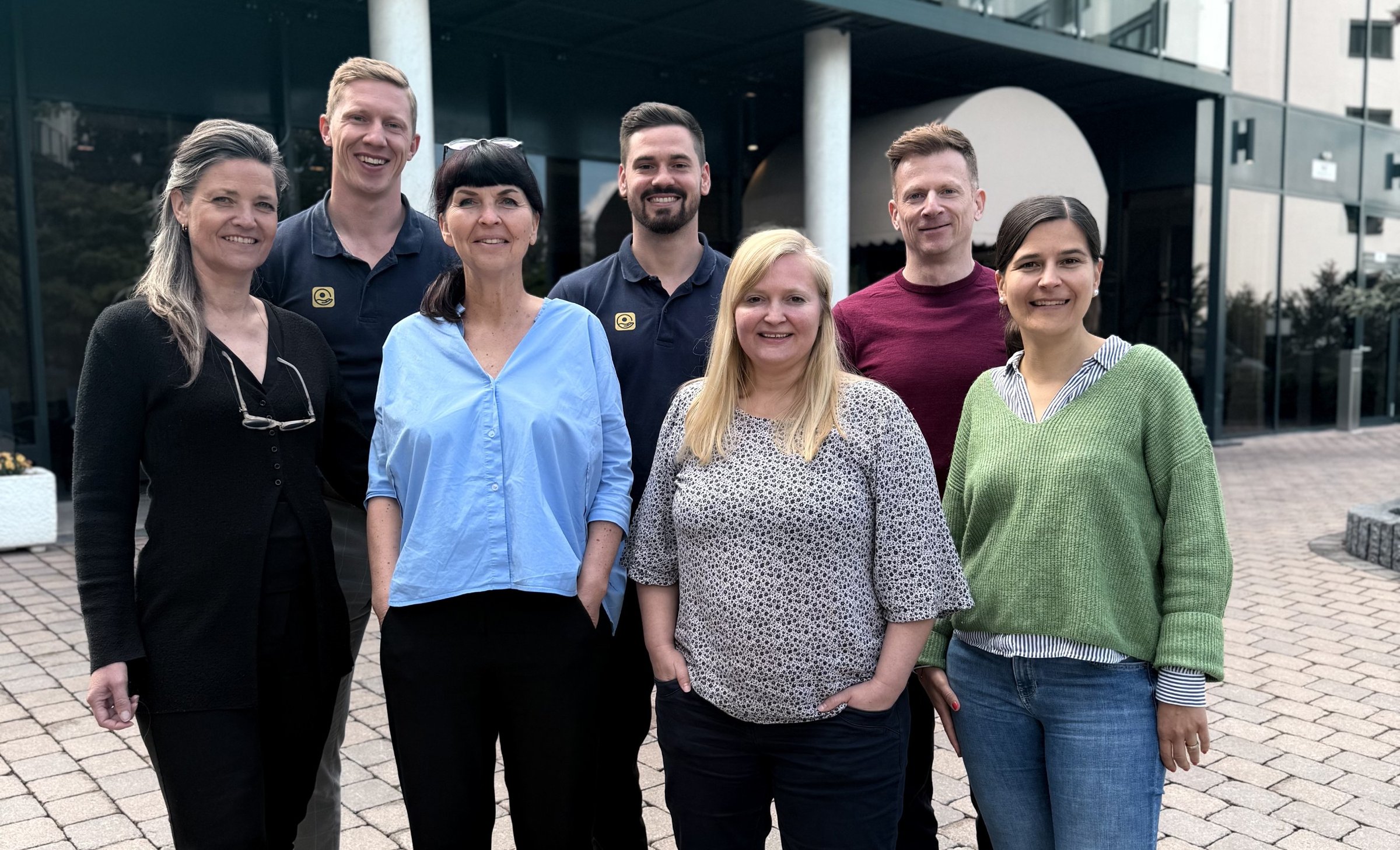
Founders and team
Free to use for coverage of Luma Life. Please credit “Luma Life”.
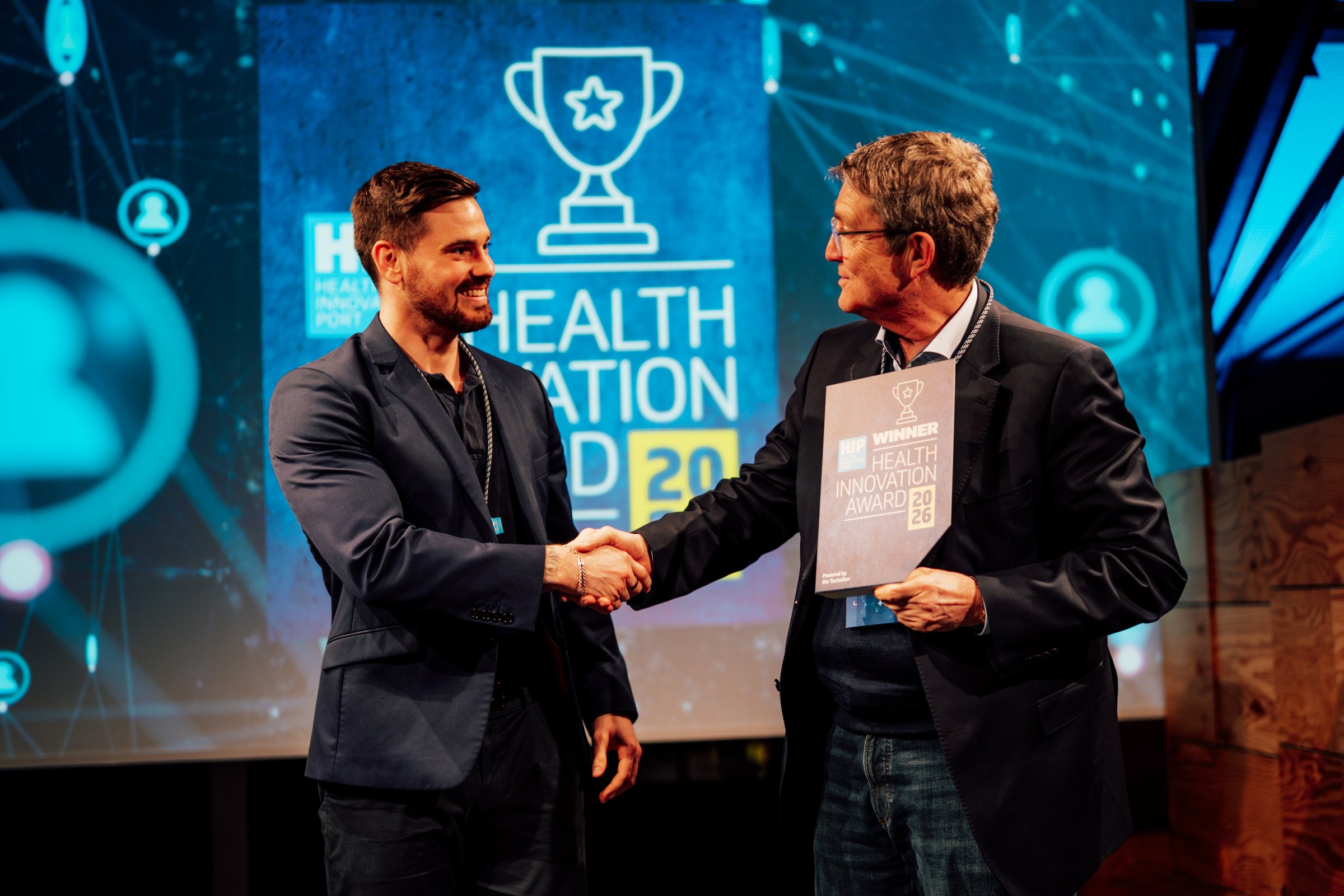
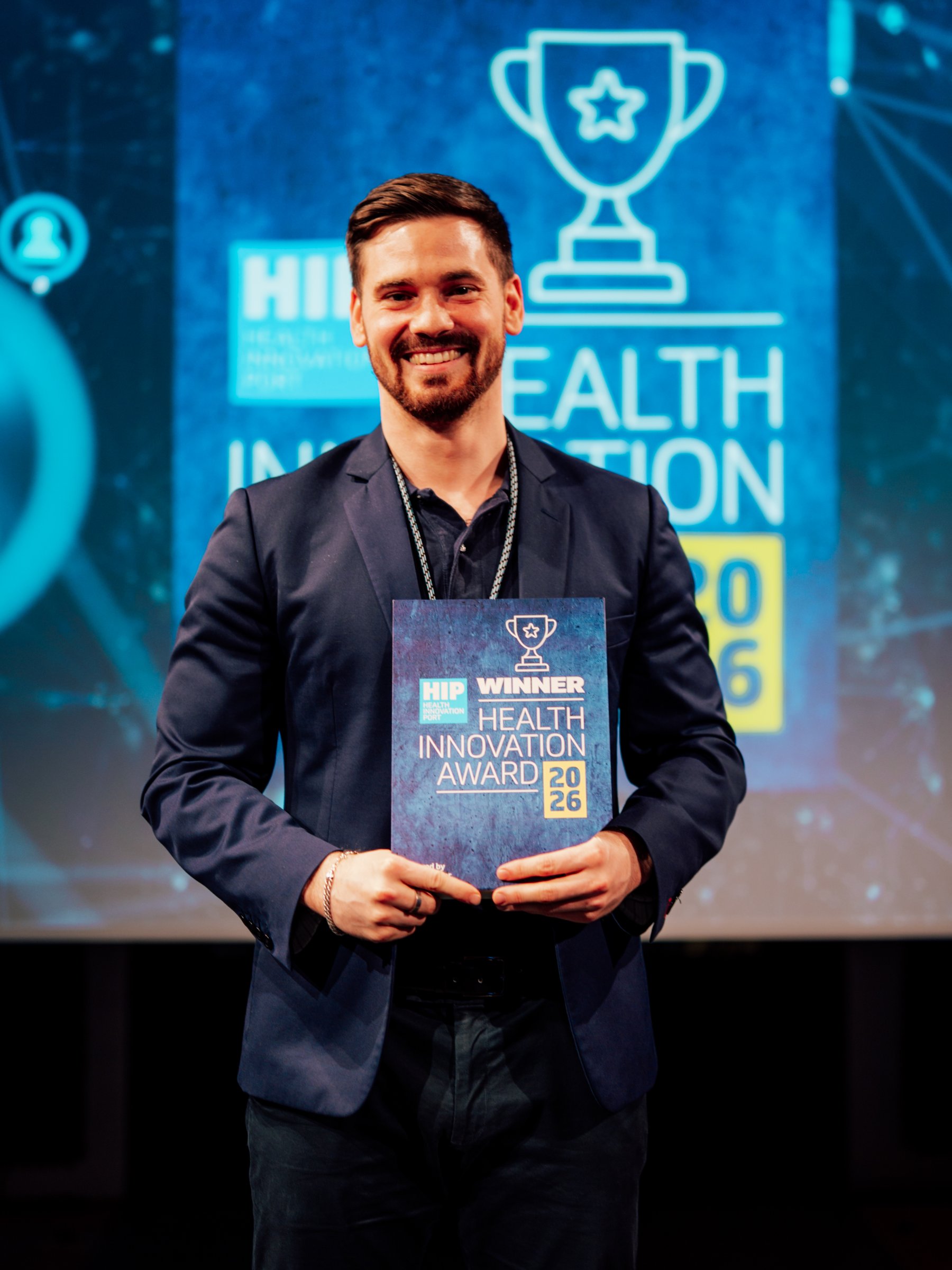
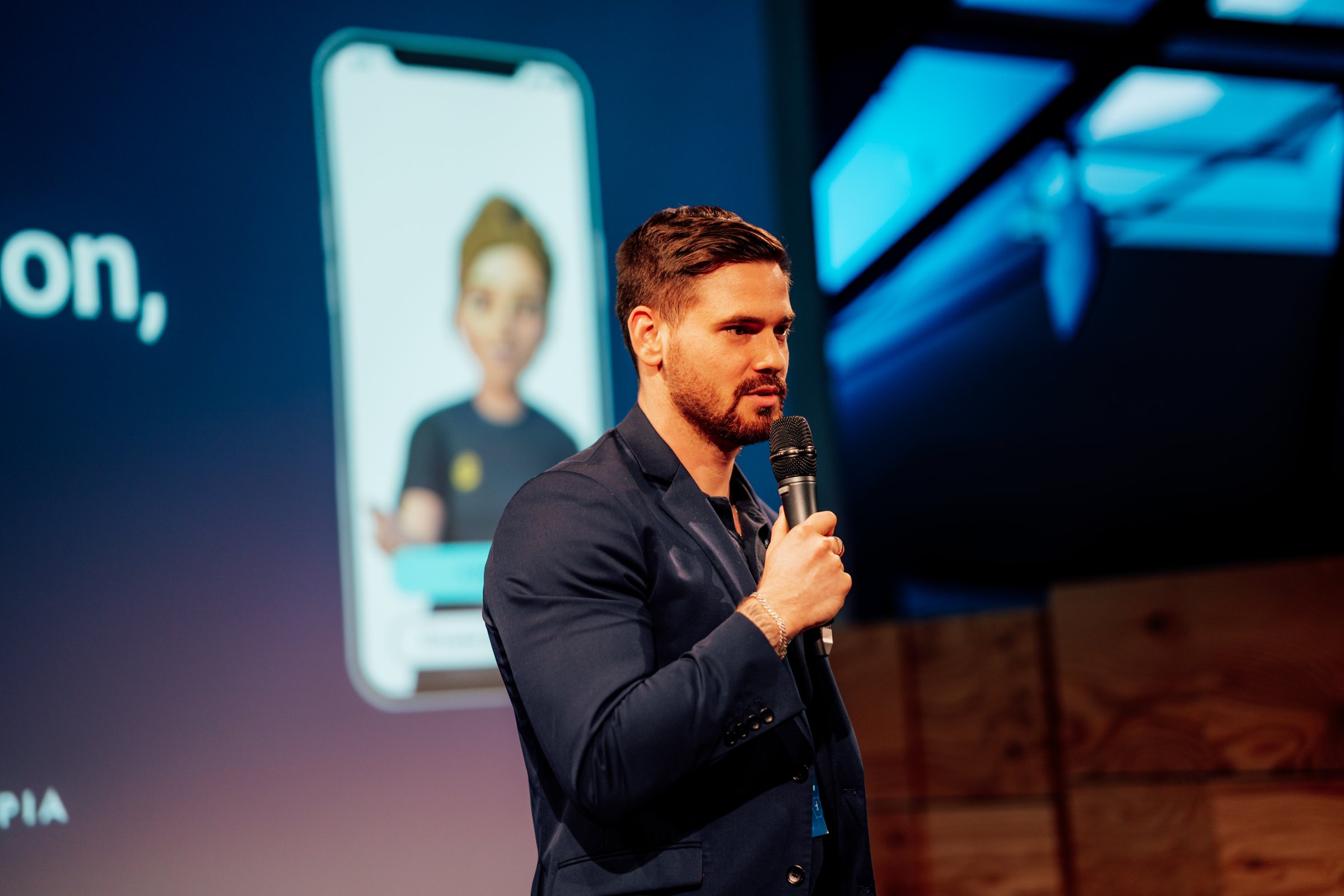
Health Innovation Award 2026
Photos from the award ceremony. Please credit: Photo: Philipp Behrendt (Instagram @fotojob_philipp / @altewaschfabrik, LinkedIn: Philipp Behrendt).
App screens
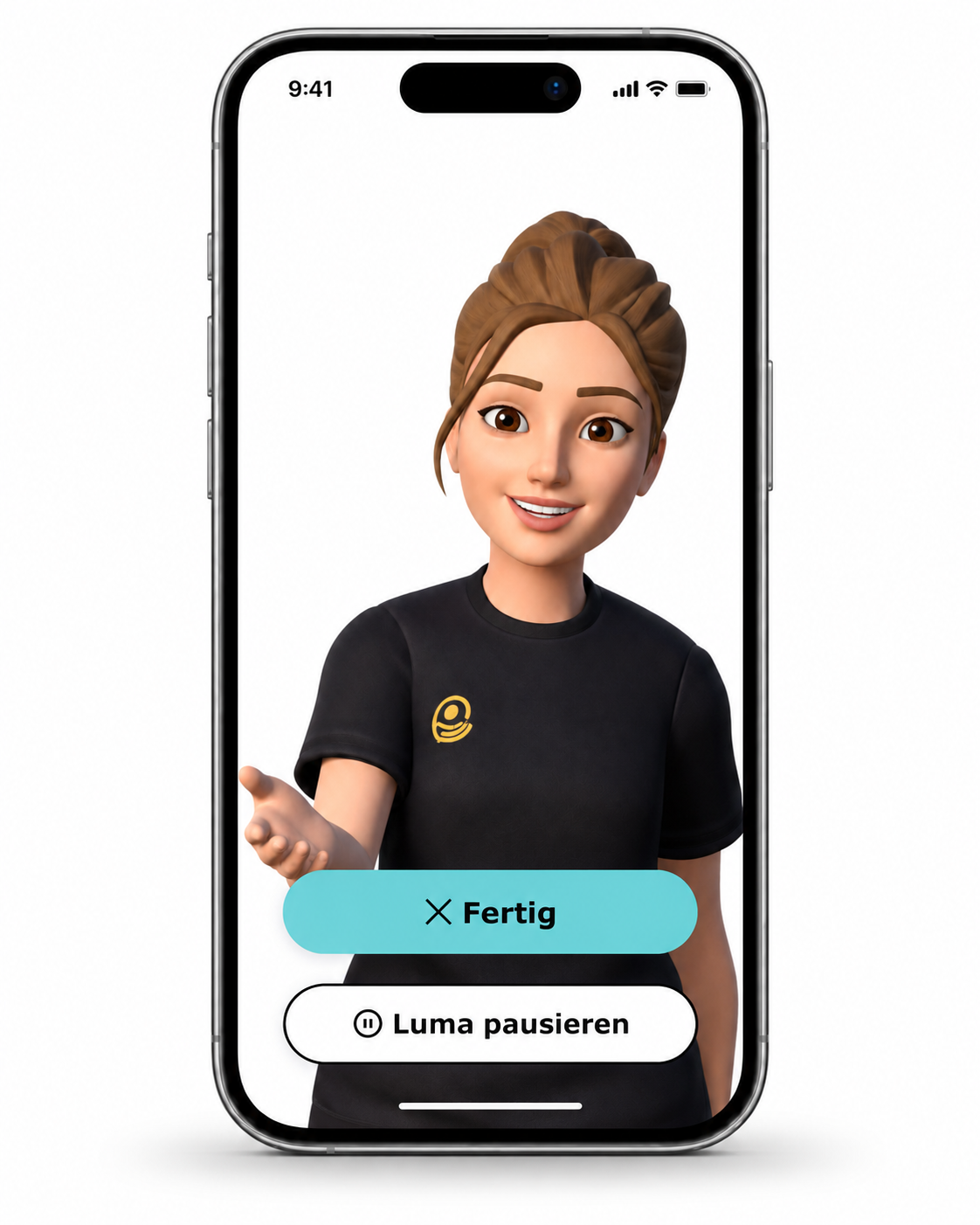
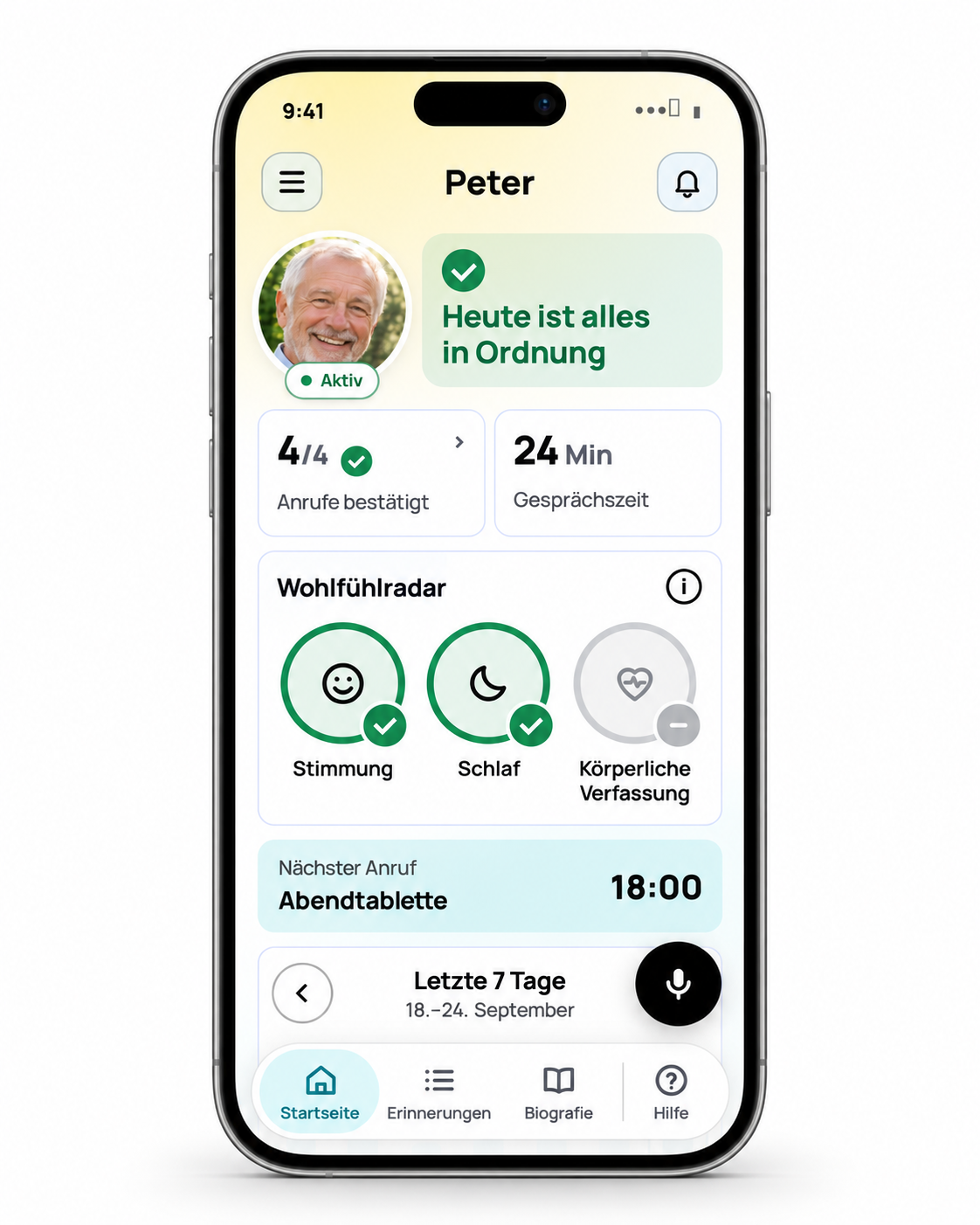
Luma on a smartphone and the family carers’ view, as PNG. Please do not alter.
Flyers and brochures
As PDF (in German). The Swiss versions list the Swiss address.
- Fact sheet (1 page)German · PDFEnglish · PDF
- FlyerGermany · PDFSwitzerland · PDF
- Info brochureGermany · PDFSwitzerland · PDF
- Care brochureGermany · PDFSwitzerland · PDF
Colors and typeface
For use next to our logo.
- Teal
#4AAFB6 - Dark purple
#211E32 - Yellow
#FACF39 - Typeface: Manrope
Awards and publications
Health Innovation Award 2026
Luma Life was awarded the Health Innovation Award 2026 by Techniker Krankenkasse.
Pilot study with OST
Luma Life is being developed further in a pilot study with the Institute for Ageing Research (IAF) at OST – Eastern Switzerland University of Applied Sciences (OST news, 21 January 2026).
Podcast: How AI helps with dementia where people are missing (in German)
Luma Life as a guest on the docsdigital podcast by Dr. Alexandra Widmer (episode 257, in German).
Mention: AI and IT as a lever for better care (in German)
IT-BUSINESS of 30 July 2026 lists Luma Life among the providers on the topic.
We add further news continuously. Feel free to get in touch.
Press contact
Enquiries, interview partners (people affected and family carers in Germany and Switzerland) and material:
Germany
Marvin Berthold
Co-Founder & CRO
Switzerland
Marcel Kintscher
Co-Founder & CTO
General enquiries: +49 152 28988485 WhatsApp
We usually reply on the same working day.